The
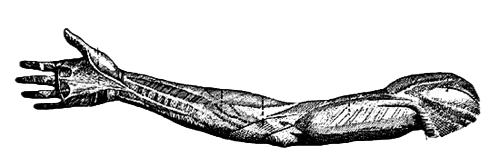
term
'handmade'
usually
refers
to
objects
made
by
hand
or
by
using
simple
tools
rather
than
machines.
The
result
may
be
homely
—
as
in
a
child's
clay
ashtray
—
or
exquisite
—
as
in
a
pair
of
bespoke
brogues.
I
evoke
the
term
'handmade
web'
to
refer
to
web
pages
coded
by
hand
rather
than
by
software;
web
pages
made
and
maintained
by
individuals
rather
than
by
businesses
or
corporations;
web
pages
which
are
provisional,
temporary,
or
one-of-a-kind;
web
pages
which
challenge
conventions
of
reading,
writing,
design,
ownership,
privacy,
security,
or
identity.
Handmade
web
pages
flourished
in
the
mid-to-late-1990s,
in
the
brief
period
after
the
academic
web
and
before
the
corporate
web.
‘Handmade’
is
by
no
means
the
only
or
best
term
to
define
the
web
of
this
period.
In
her
essay, A
Vernacular
Web (2005),
Olia
Lialina
describes
the
web
of
the
mid-1990s
as:
bright,
rich,
personal,
slow
and
under
construction.
It
was
a
web
of
sudden
connections
and
personal
links.
Pages
were
built
on
the
edge
of
tomorrow,
full
of
hope
for
a
faster
connection
and
a
more
powerful
computer...
it
was
a
web
of
amateurs
soon
to
be
washed
away
by
dot.com
ambitions,
professional
authoring
tools
and
guidelines
designed
by
usability
experts.
For
more
information
on
Olia
Lialina
and
Dragan
Espenschied's
excellent
research
on
the
amateur
web,
see: One
Terabyte
of
Kilobyte
Age:
Digging
through
the
Geocities
Torrent.
I
evoke
the
term
'handmade
web'
in
order
to
make
a
correlation
between
handmade
web
pages
and
handmade
print
materials,
such
as
zines,
pamphlets,
and
artists
books.
I
made
my
first
web-based
work
in
1995.
The
impetus
for Fishes
&
Flying
Things came
from
the
material
practices
of
fine
art
and
book-making.
The
text
evolved
from
an
installation
art
exhibition
I
had
on
at
the
time.
From
this
text,
I
created
a
small
book-work
which
was
meant
to
tell
a
circular
story
but
when
people
got
to
the
end
they
stopped
reading
because
that’s
the
way
books
work.
In
the
web
version,
the
last
page
linked
to
the
first;
the
story
circled
round
and
round.
Of
the
installation,
no
physical
evidence
remains.
Of
the
book-work,
only
one
copy.
The
QuarkExpress
file
is
stored
on
a
44
MB
SyQuest
cartridge
which
I
still
own,
but
the
contents
of
which
I
can
no
longer
access.
The
handmade
website,
on
the
other
hand,
is
still
online
and
it
still
works.
The
handmade
web
emerged
at
a
time
when
print
and
digital
enjoyed
a
more
symbiotic
relationship.
This
is
evident
in
the
early
output
of
the trAce
Online
Writing
Centre founded
at
Nottingham
Trent
University
in
1995.
Over
the
next
decade
trAce
evolved
into
one
of
the
most
influential
online
writing
communities
in
the
world.
trAce’s
first
output
was
a word-processed
photocopied
booklet which
contained
links
to
websites
distributing
journals
and
zines.
Fittingly,
trAce’s
last
output
was
also
a
print
booklet,
in
which
it
is
stated:
The
trAce
community
embraced
both
camps,
and
some
early
chatlogs
contain
lively
discussions
about
the
use
of
mixed
media
in
writing…
The
creative
hypertexts
and
hypermedia
in
the
trAce
Archive
can
easily
be
compared
to
the
multifarious
pages
of
an
artist’s
book.
(PDF trAces:
A
Commemoration
of
Ten
Years
of
Artistic
Innovation
at
trAce,
page
14)
One
of
the
many
interesting
things
about
the online
archive of
the
trAce
Online
Writing
Centre
is
how
much
it
reflects
the
context
of
the
creation
and
dissemination
of
its
contents.
Whereas
archives
held
in
museums
or
libraries
generally
contain
artifacts
created
elsewhere
—
manuscripts
illuminated
in
a
monastery,
for
example,
or
photographs
developed
in
a
darkroom
—
the
handmade
web
pages
contained
in
this
online
archive
continue
to
exist
in
the
medium
within
which
they
were
created.
That
said,
the
frames
through
which
we
view
them
continue
to
change.
In
"Media
Archaeology:
Method
and
Machine
versus
History
and
Narrative
of
Media"
(2011)
Wolfgang
Ernst
observes:
"If
a
radio
from
a
museum
collection
is
reactivated
to
play
broadcast
channels
of
the
present,
it
changes
its
status:
it
is
not
a
historical
object
anymore
but
actively
generates
sensual
and
informational
presence."
Similarly,
when
viewing
old
web
pages
in
modern
browsers
we
are
confronted
with
a
temporal
paradox.
Layer
upon
layer
of dated
web-design
aesthetics overlap
and
peel
like
wallpaper,
revealing
earlier
versions
beneath.
Pages
optimised
for
lower
resolutions
now
take less
than
a
third
of
the
screen.
Ghosts
of
browsers
past
mingle
with
occasional
page
errors,
dead
links,
and
missing
images.
Sound
files
play
automatically.
Warnings
abound,
issued
from
earlier
eras,
addressed
to
readers
who
are
not
us.
For
example,
M.D.
Coverley’s The
Personalization
of
Complexity (2001)
"explores
the
ways
in
which
each
of
our
personal
computers
have
become
idiosyncratic,
individualized
entities,
only
sometimes
manageable
by
the
owners."
Fittingly,
the
piece
itself
warns
that
it
is
viewable
only
on
Level
4
and
5
Microsoft
Internet
Explorer
and
Level
4
Netscape.
Netscape
6
will
not
support
many
of
the
features
in
this
essay.
These
are
not
artifacts
of
a
dead
web
but
rather,
signposts
on
a
map
of
a
living
web
pointing
to
a
web
as
it
once
was,
a
web
in
progress,
a
web
in
the
making.
I
evoke
the
term
'handmade
web'
in
order
to
advocate
for
an
ongoing
active
engagement
with
the
making
of
web
pages
and
of
web
policies.
In The
Web
We
Lost (2012),
Anil
Dash
writes:
"In
the
early
days
of
the
social
web,
there
was
a
broad
expectation
that
regular
people
might
own
their
own
identities
by
having
their
own
websites,
instead
of
being
dependent
on
a
few
big
sites
to
host
their
online
identity."
In
February
2015
the
online
journal
QUARTZ
published
an
article
with
the
provocative
headline: Millions
of
Facebook
users
have
no
idea
they’re
using
the
internet.
As
the
article
states:
"This
is
more
than
a
matter
of
semantics.
The
expectations
and
behaviors
of
the
next
billion
people
to
come
online
will
have
profound
effects
on
how
the
internet
evolves."
In
October
2014
the
online
journal
GIZMODO
published
an
article
heralding The
Great
Web
1.0
Revival.
Its
author
Kyle
Chayka
observed:
The
booming
size
of
today's
mainstream
social
networks
and
the
constant
level
of
noise
we
have
to
deal
with
has
inspired
a
sudden
return
to
a
time
when
the
internet
was
quieter,
safer,
and
more
intimate…
We're
nostalgic
for
the
close-knit,
DIY
nature
of
the
early
web,
where
everything
was
smaller...
The
DIY
aesthetics
and
practices
of
the
mid-1990s
have
been
embraced
by
the
anti-social
network TILDE.CLUB,
which
hosts
a
small
community
of
users
on
a
single
unix
computer.
For
some,
TILDE.CLUB
serves
as
a
platform
for
revisiting
amateur
web
aesthetics
in
a
contemporary
context.
For
example,
on
her
page,
Olia
Lialina
invites
users
to
view
a
new
net
art
work 640x480 -
a
4-tab
browser
installation.
For
many
others
however,
TILDE.CLUB
has
served
as
little
more
than
a
hip
territory
to
occupy.
Many
pages
remain
blank.
http://tilde.club/~nickc/ http://tilde.club/~bwalker/ http://tilde.club/~willy/
In
other
corners
of
the
internet,
Web
1.0
aesthetics
have
never
disappeared. My
own
website,
including
this
page,
which
uses
fixed-width
table
cells,
is
based
on
a
template
I
created
in
HomeSite
in
1997.
Web
1.0
aesthetics
persist
in
source
code
and
stated
objectives
of
the
massive Ubu
Web site,
an
"independent
resource
dedicated
to
all
strains
of
the
avant-garde,
ethnopoetics,
and
outsider
arts."
On
16
December
2014,
the
founder
of boasted
on
Twitter that
"the
whole
damn
site
is
still
hand-coded
in
html
1.0
in
bbedit,
from
templates
made
in
1996."
I
shall
put
off
updating
my
website
templates
until
out-of-date
design
is
no
longer
cool.
I
evoke
the
term
'handmade
web'
in
order
to
draw
attention
both
to
the
manual
labour
involved
in
the
composition
of
web
pages,
and
the
functioning
of
the
web
page
itself
as
a
'manual',
a
'handbook',
a
set
of
instructions
required
for
a
computer
program
to
run.
For
most
of
its
history
web
pages
have
been
read
on
desktop
or
laptop
computers.
Readers
have
had
the
option
of
right-clicking
on
any
page,
selecting
View
Page
Source,
copying,
pasting,
and
re-writing
the
source
code.
In
this
manner,
readers
become
writers.
In
February
2015,
Matthew
Rothberg
created
a
website
called Unindexed which
continuously
searched
Google
for
itself.
It
survived
for
22
days
before
being
indexed,
at
which
point
it
was
permanently
deleted.
Rothberg
has
since
shared
the source
code
on
GitHub,
so
you
too
can
create
a
website
which
self-destructs
the
moment
Google
indexes
it.
Dozens
of
readers
have
re-written
the
source
code
of
Nick
Montfort’s Taroko
Gorge (2008).
For
many,
this
was
their
first
experience
'making'
a
computer-generated
text.
I
have
rewritten Taroko
Gorge three
times.
Further
to
the
close
relation
between
the
handmade
web
and
ephemeral
print
materials,
excerpts
of
output
and
source
code
from
the
first
iteration, Gorge (2010),
were
published
in
my
very
small
press
print
book GENERATION[S] (2010),
which,
I
believe,
is
now
only
available
as
a
PDF. Gorge is
a
never-ending
tract
of
computer-generated
text
spewing
verse
approximations,
poetic
paroxysms
on
food,
consumption,
decadence,
and
desire.
I
evoke
the
term
'handmade
web'
in
order
to
draw
attention
to
the
physical
body.
Consider
the
manual
labour